
Places & communities • 5 min read
Ras Al Khaimah Property: Exploring Lifestyle and Long-Term Potential
Separate Ras Al Khaimah's tourism momentum from the practical case for a home, with clear distinctions between personal use, rental operations and transaction data.
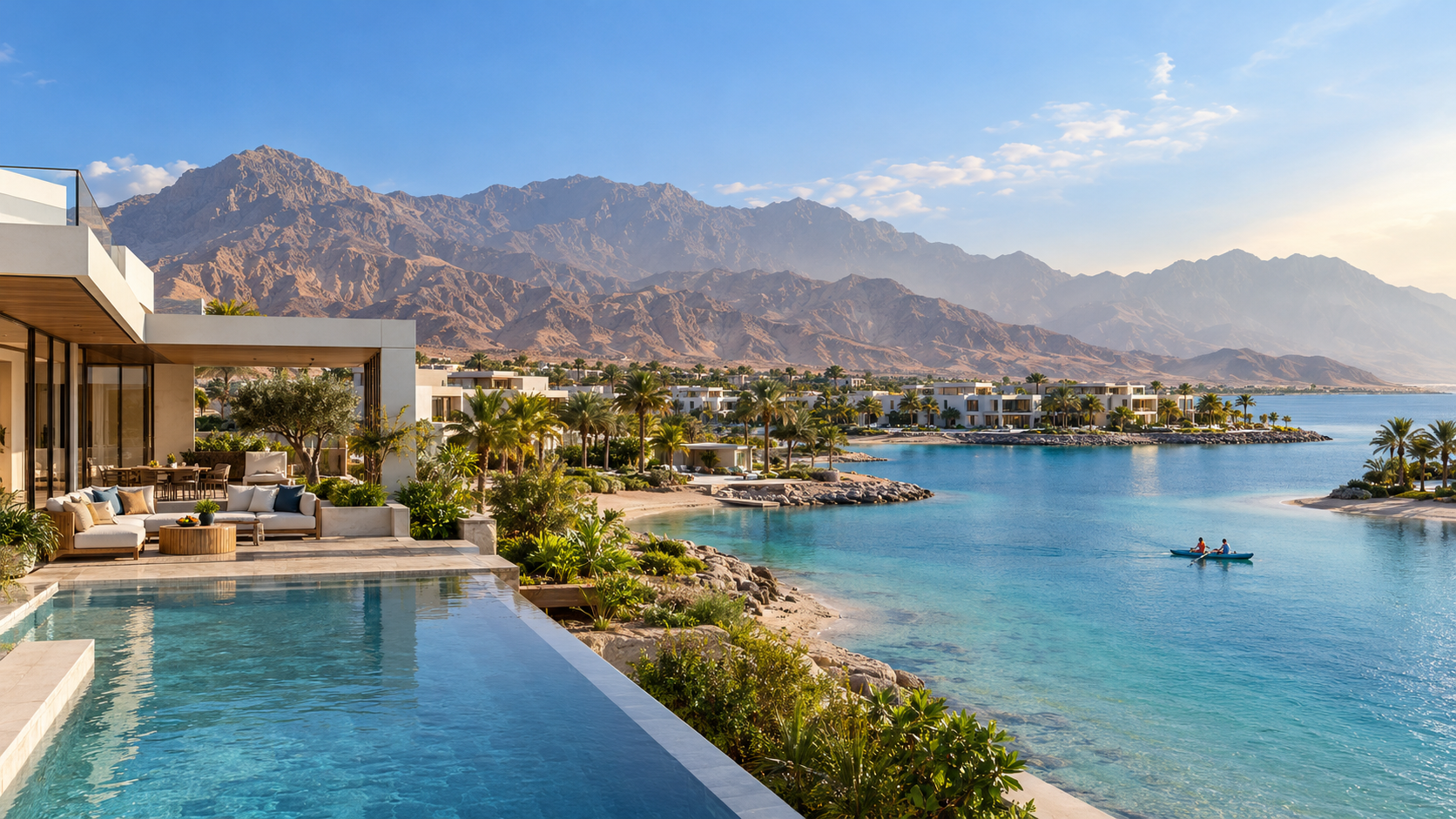
Ras Al Khaimah attracts several different property conversations. One buyer wants a permanent home, another imagines a weekend base, and another is assessing an income-producing asset. A beach or leisure setting can appeal to all three, but the financial and practical requirements are different.
The first step is to decide which purchase you are making. Tourism activity and development plans can provide useful context, yet neither tells you how often you will use a home or what income it will retain after expenses. A considered decision connects the destination story with the particular building, operating arrangements and household budget.
01Distinguish the visitor economy from the housing market
RAKTDA's first-half 2026 announcement reports more than 670,000 visitors. This is a destination-level tourism measure. It is not the number of new residents, annual tenants or bookings available to an individual property owner.
For a personal home, the visitor economy may matter through the facilities and activity around the location. For an investment, it raises further questions about the relevant accommodation market, competition, permissions and operating costs. Those questions require evidence specific to the proposed use.
Do not apply a hotel occupancy rate to a residential apartment without establishing that the comparison is meaningful. Different accommodation types, locations and operating models can have different demand. A strong visitor headline is a reason to investigate the opportunity carefully, not a substitute for a realistic rental budget.
02Read the property total before using it as a growth claim
The RAK Statistics 2026 yearbook separates 2025 property transaction value into sales, mortgages and waivers. Rounded to billions of dirhams, the categories are approximately 3.19, 12.68 and 2.93 respectively. The large mortgage component shows why the combined total should not be described as home sales.
A mortgage registration records financing activity. Its value does not establish an equivalent amount of residential demand or a comparable increase in individual prices. Similarly, land and other property categories can influence a broad sales figure.
Use data with its definitions intact. For a particular apartment or villa, request relevant comparables and check the period, area basis, property type and stage. This guide has not performed a unit-level valuation or created a forecast from the yearbook. The chart explains the composition of a reported total rather than predicting what a home will be worth.
RAK property transactions: different categories within the 2025 total
| Item | Value |
|---|---|
| Sales | 3.19 |
| Mortgages | 12.68 |
| Waivers market value | 2.93 |
Unit: AED billion, 2025
03Decide whether the home is a base or a business
For a permanent home, test access to work, everyday services and the household's regular destinations. A scenic setting needs to work on an ordinary weekday as well as on a short visit. Verify connectivity and practical arrangements that matter to your routine.
For a weekend base, estimate realistic personal use before calculating costs. Include periods when work, family commitments or travel would keep you elsewhere. A property can be enjoyable without being used often enough to justify an optimistic cost-per-stay calculation.
If income is part of the plan, establish the intended letting model and the current permissions, building rules and management arrangements. Do not assume that a residential purchase automatically permits every kind of short stay operation. The rental-property guide explains how to distinguish expected gross receipts from income available after the relevant costs.
04Inspect the specific setting and its access arrangements
A waterfront label can describe different experiences. Establish whether the home has a view, direct access or an entitlement to use a particular facility. These are separate benefits, and their terms should be understood before paying a premium for them.
Walk or review the route from the unit to the facilities you intend to use. Check opening arrangements, shared access and the relationship between residents' areas and visitor activity. For a future property, ask what the contract and phase documentation establish rather than treating every master-plan image as an included benefit.
Also investigate the building's maintenance scope and the condition of features exposed to the local environment. Ask a qualified inspector or manager for the relevant assessment instead of assuming that a new-looking finish means low future expenditure. The waterfront, city and suburban guide offers a wider comparison of these lifestyle choices.
Swipe or use arrow keys to view all columns.
| Intended use | Priority evidence | Cost often overlooked |
|---|---|---|
| Permanent residence | Daily access, usable layout and services | Recurring ownership and transport |
| Personal retreat | Realistic frequency of use and access rights | Costs while the home is unused |
| Rental operation | Permitted model, comparable demand and management terms | Vacancy, operating charges and replacement work |
05Separate operating facilities from future development
A planned office, hotel or leisure development can influence expectations, but the timetable and its relevance to your property need independent attention. Identify what is already operating, what is under construction and what remains an announced plan.
Ask which part of the purchase case depends on future delivery. If the answer is that expected rent or resale value only works after another project opens, record that dependency explicitly. A buyer should be able to see how the proposal behaves if timing or demand differs from the optimistic case.
Consider competing supply as well as additional visitors or employment. New facilities can support a destination while new homes or accommodation also compete for occupants. The balance is local and time-dependent; it cannot be settled by a single announcement or a general statement that an emirate is becoming more popular.
06Make the long-term case without assuming a quick exit
Build the budget around a holding period you can fund. Include recurring charges, maintenance and the possibility of a longer sale process than hoped. Any estimate of future value should remain a scenario rather than money available to meet today's commitments.
For a household purchase, describe the benefits you expect to use and the compromises you accept. For an investment, show how the property would operate under less favourable income assumptions and identify the evidence behind the management budget.
Ras Al Khaimah's appeal can be part of a sound decision, but it should lead to a more specific case: the right home for the intended user, a clear ownership and operating position, and costs that remain manageable. That is more durable than buying solely because the destination's profile is rising.
Sources
Research reviewed 30 October 2026. Publication dates and measurement periods are provided with each source.
- RAKTDA first-half 2026 tourism announcementH1 2026 visitor observations; checked 30 October 2026
- RAK Statistics 2026 yearbookTable 7-1, 2025 historical transactions, AED thousands; checked 30 October 2026
Property costs, ownership and contract terms vary by home. Speak with Aliyas about the details relevant to your search.